On 1 January 2026, France will take over the presidency of the G7 for a period of one year. Through its multilateral approach, the G7 aims to establish a collective framework for better regulation of globalisation. The leaders of the United Kingdom, Canada, Germany, Italy, Japan, the United States and the European Union will therefore be welcomed by Mr. Emmanuel Macron from June 14th to 16th in the city of Evian to define a common action programme.
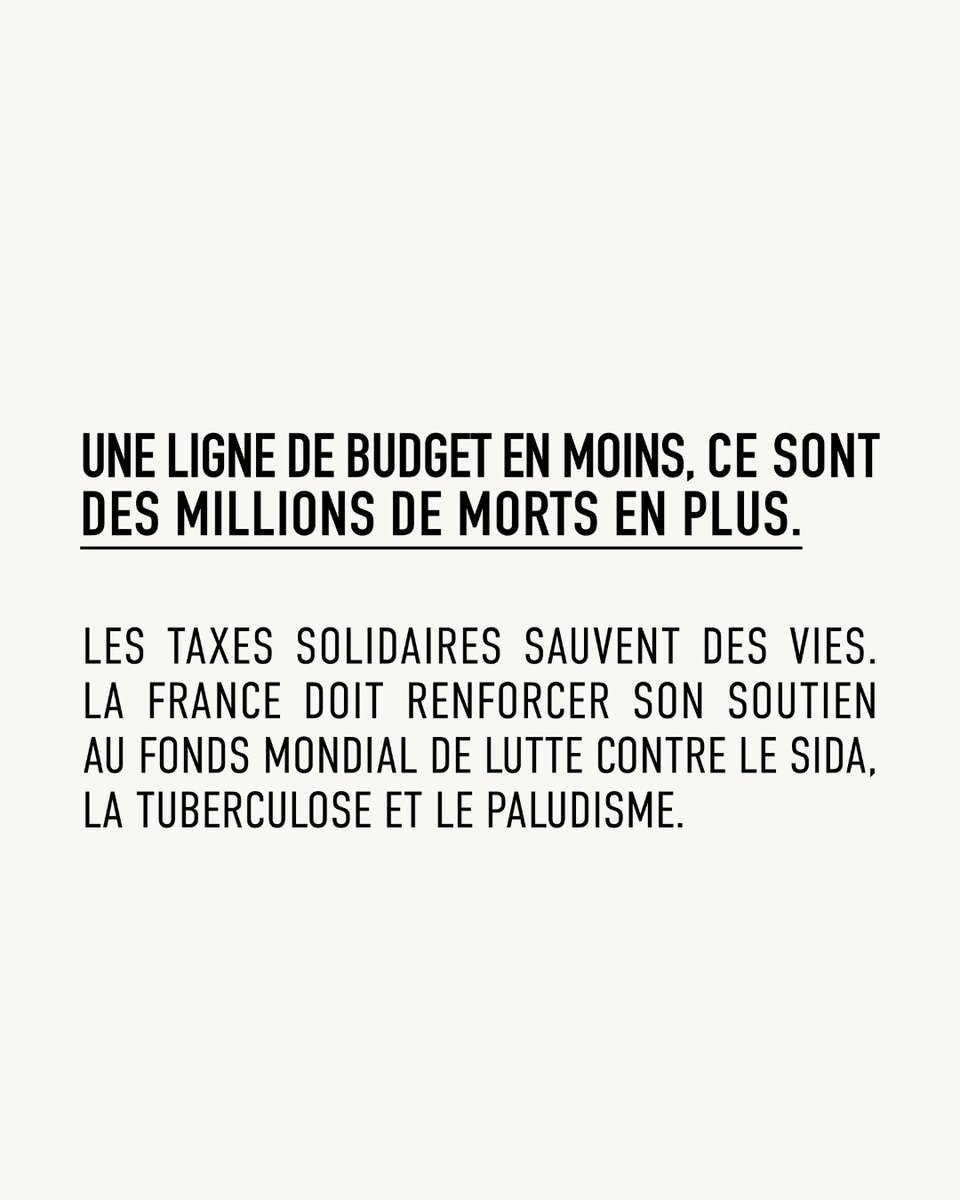
However, there can be no prosperous economy or sustainable development without health security. While global health governance and financing mechanisms are being redefined, the risks of pandemics and antimicrobial resistance remain greater than ever. These challenges underscore the importance of coordinated and sustained action among the major powers. At the same time, the momentum generated by initiatives such as the Lusaka Agenda and the Accra Reset demonstrates the need to refocus global governance on the priorities of developing countries, particularly in the area of health. This calls on the G7 to recognise and support these countries, in building health sovereignty, by supporting local production and research.
In recent years, the G7 has played a key role in ensuring global health through the launch of initiatives such as the Global Fund, Gavi and ACT-A (set up to ensure universal access to the means to combat the Covid-19 pandemic). However, the absence of a health track in Canada this year raises questions about the priority given to these issues. The current trend towards isolationism and the questioning of science would rather call for renewed international commitment to greater sovereignty and health security.
In these blog series, three prominent figures committed to greater global health equity have agreed to share with us their expectations for France’s presidency of the G7 in 2026.
- Taryn Russell, Executive Director of the NGO Results Canada. Ms Russell takes stock of the Canadian G7 summit and highlights the deliverables that France should pursue.
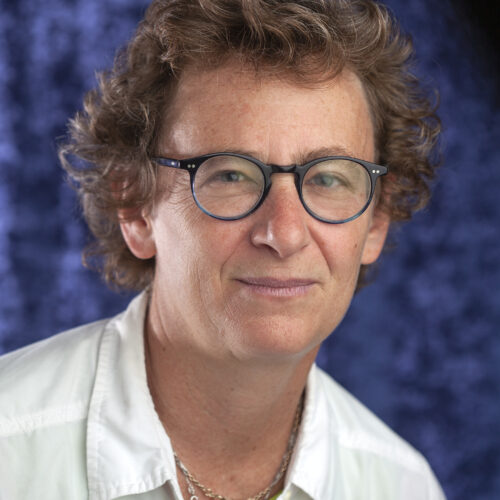
- Nina Schwalbe, CEO and Founder of Spark Street Advisors and Senior Scholar at Georgetown University Center for Global Health Policy and Politics. Ms Schwalbe reflects on the lessons learned from Covid-19 and demonstrates why global health must be a priority for the French G7.
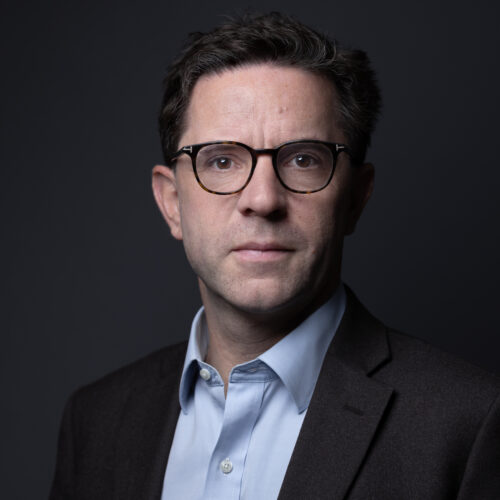
- Justin Vaïsse, Founder and Director General, Paris Peace Forum. Mr Vaïsse explains how the G7 can once again advance human development, particularly through a Child Priority Framework.


 ;
;