Unsafe. Non-strategic. Unacceptable.
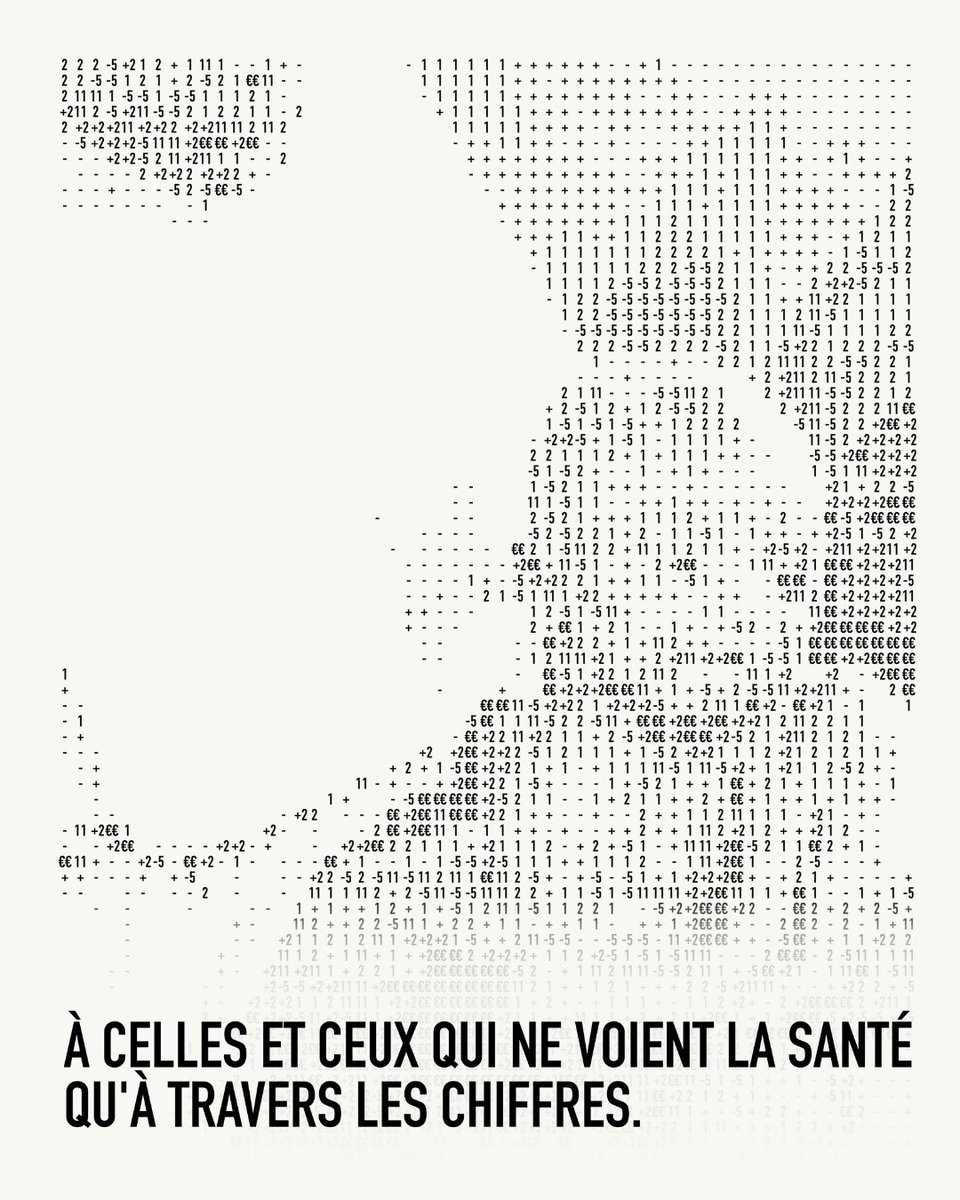
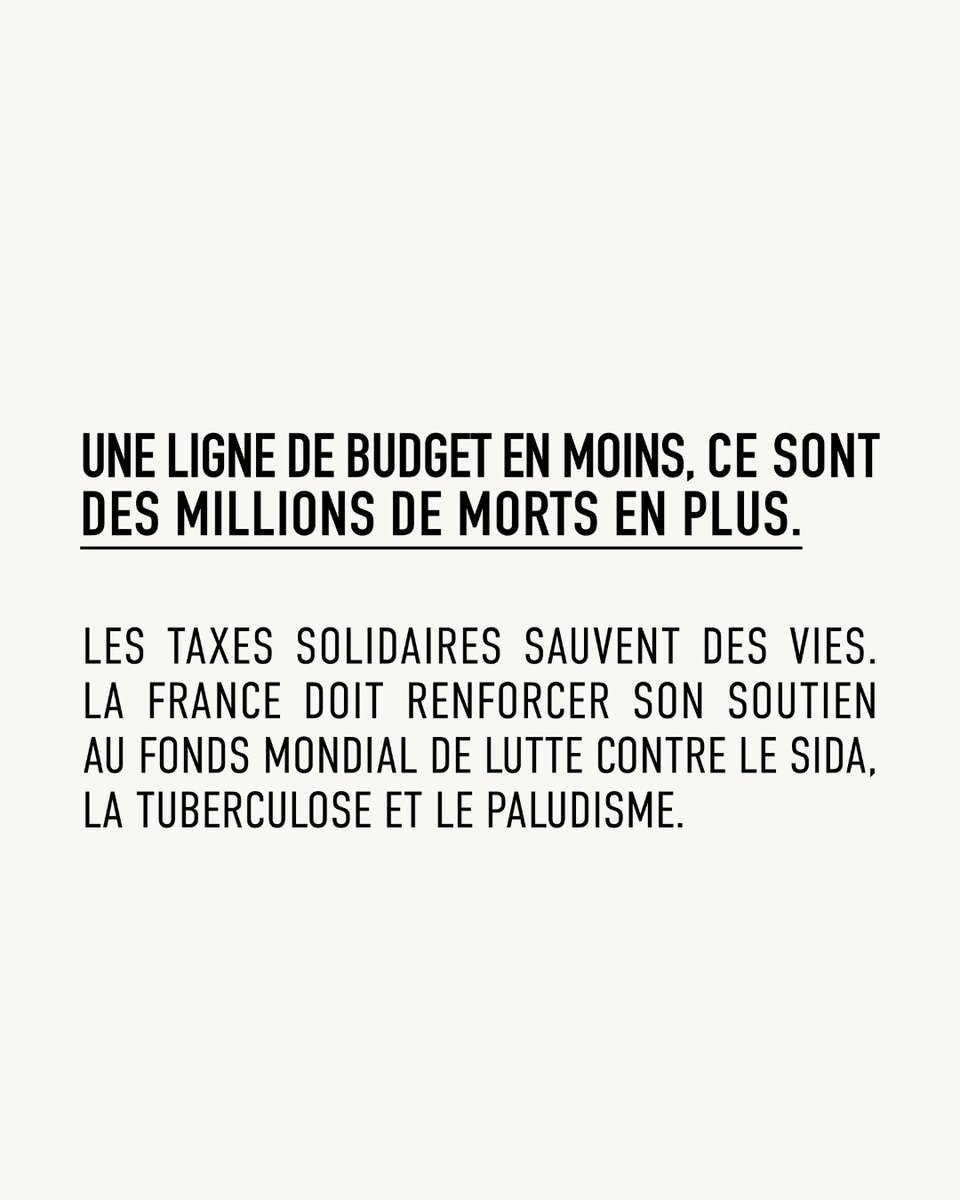
The latest OECD projections point to a dramatic contraction in global development assistance, with health facing the steepest decline of all sectors. Bilateral health aid from major donors could fall by up to 46% between 2024 and 2026, while humanitarian assistance is projected to drop by more than 40%.
These are not abstract numbers. They signal a world that is becoming less prepared, less resilient, and less safe.
At a time when Ebola, malaria, tuberculosis and HIV/AIDS continue to claim millions of lives, and when more than 235 million people need protection from conflict and climate-related disasters, reducing health financing is the opposite of strategic.
The consequences are already visible:
-
More children dying before their fifth birthday.
-
Vaccination, prevention and treatment programmes being scaled back.
-
Fragile health systems losing the capacity to detect and respond to outbreaks.
-
Public health emergencies becoming more frequent and more costly.
What’s at stake?
- Health security because cuts weaken the world’s ability to prevent, detect and respond to outbreaks.
- Lives at risk because children and vulnerable communities are the first to pay the price.
- Global stability because underfunded health systems make future crises more likely and more expensive.
The G7 itself has recognised that Official Development Assistance is essential for supporting health systems and other basic services in countries with limited access to capital. Yet current funding trends are moving in the opposite direction.
France and the European Union now have a historic opportunity.
As parts of the global health landscape retreat, Europe can help shape a new global health order—one that puts equity, resilience and solidarity at the centre of financing decisions.
Because investing in global health is not charity. It is one of the smartest investments a country can make in its own security, stability and future.
 ;
;