On the 15th of December 2025, under the Denmark’s presidency of the Council of Europe, Council Conclusions on ‘Advancing mutually beneficial partnerships through better financing, gender equality, global health and trade’ were formally adopted. GHA welcomes the Council’s endorsement of a comprehensive approach to global partnerships, and its explicit recognition of the importance of the EU’s Global Health Strategy as part of the EU’s external action.
At a time when essential health services have been severely disrupted in low- and middle-income countries (LMICs)¹, the global health landscape is undergoing profound strain. In line with the recent OECD peer review of the EU’s Development Cooperation, the full impact of the 2025 official development assistance cuts has yet to be fully felt. At the same time, the global development and humanitarian response is being reshaped through largely imposed restructuring processes².
Against this backdrop, the Conclusions send a timely and welcome signal of the EU’s commitment to advancing health outcomes through a human rights-based approach. They reaffirm the continued relevance of the EU Global Health Strategy’s core priorities: health systems strengthening (HSS), universal health coverage (UHC), pandemic preparedness, and equitable access to quality health services are clearly identified as essential pillars of the EU’s development and international cooperation.
The Council notably emphasises the need for collective impact and stronger engagement in global health architecture reform, including through improved coordination, more effective multilateral action and framed by the Lusaka Agenda and WHO re-prioritisation process, which is in alignment with the OECD review, restating the importance of maintaining strong coordination. We also welcome the Conclusions’ focus on gender equality and sexual and reproductive health and rights (SRHR), aligned with the New European Consensus on Development and support for the successor to the current GAP IV, amid unprecedented challenges. The continued role of key organisations, including the World Health Organisation, other UN entities and major global health initiatives is also clearly acknowledged.
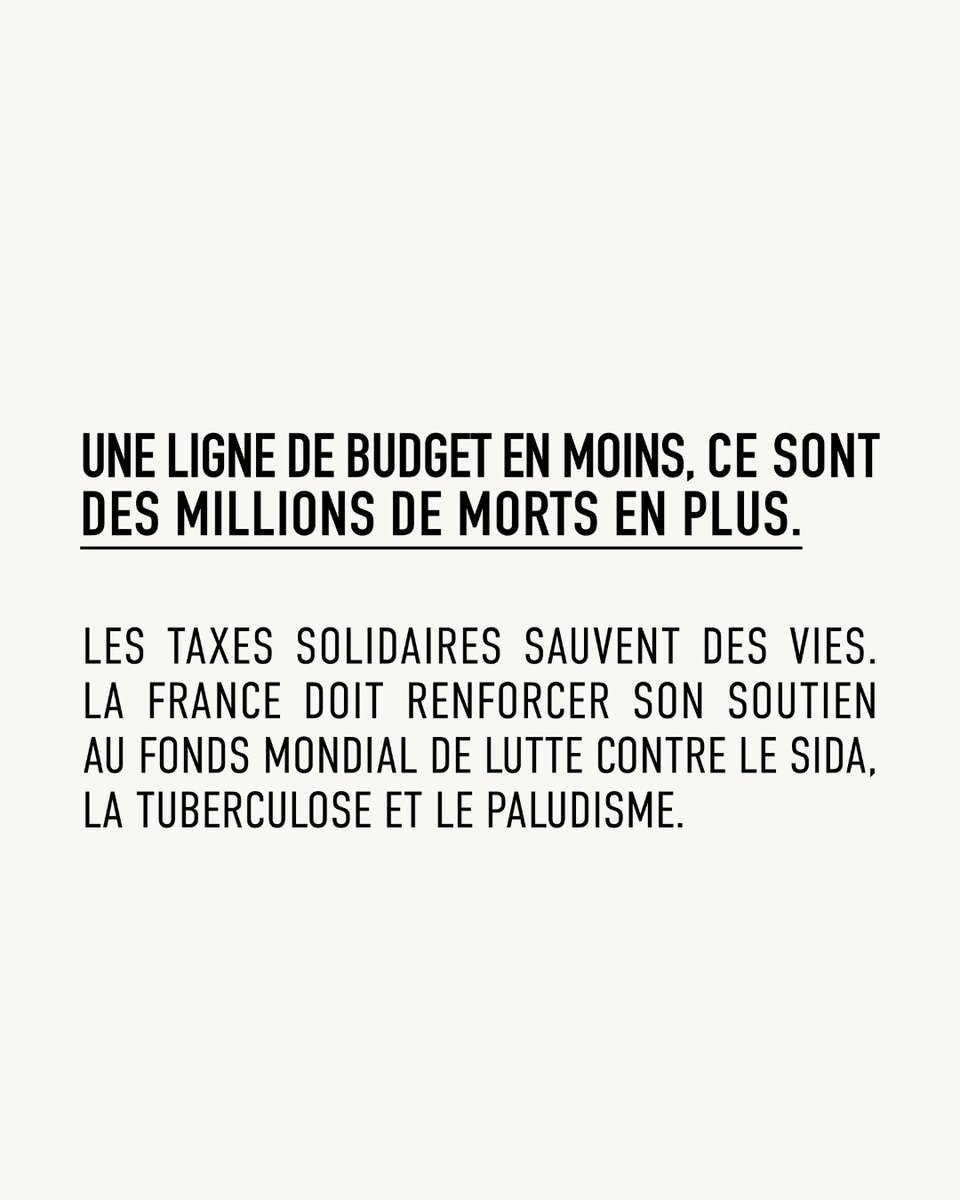
However, the ongoing decline in global health financing continues to disproportionately affect vulnerable and marginalised communities worldwide, with a 21% decline in development assistance for health globally, from USD $49.6 billion- $39.1 billion1 and remains a major cause for concern. According to recent calculations from The Lancet, current trends in health financing could cause close to 14 million additional predicted deaths in the next five years, including 4,5 million young children below the age of five.2 According to the 2025 OECD Development Co-operation Peer Review, flagship projects under the EU’s Global Gateway strategy that focus on human development — particularly in health and education — make up less than 20 % of all flagship initiatives, underscoring a relative under-representation of social sectors in the overall investment portfolio of up to €300 billion mobilised globally. This relative share suggests that financial allocations flowing to human development priorities remain limited compared to infrastructure, climate, and economic investments, even as partner countries’ needs for health and basic services remain acute.
In our current context and as the sharp decrease in ODA threatens traditional social sectors, which face growing funding gaps, we urge the EU and its Member States to move beyond political affirmation and ensure predictable, sustainable funding for global health, safeguarded by concrete, financing frameworks to ensure greater accountability and transparency.
The EU can – and must – do more to translate these commitments into impact. As 2026 begins, and as key negotiations such as the multiannual financial framework (MFF) continue to unfold, these Conclusions showcase that the EU member states are taking a leading role in guiding the alignment of future health financing instruments. The primary objective of the Global Europe Instrument, which aims to organise the EU’s external action financing under one legislation – must be the eradication of poverty, and strengthening the explicit reference in this legislation would not only be a positive outcome for health, but drive countries towards greater global health resilience, essential in the face of growing global health threats3. Team Europe has a chance to protect the backsliding of these hard-won gains: let’s act now.
 ;
;